

The province of Ontario's drainage infrastructure plays a critical role in maintaining the well-being and safety of our communities. With a mix of old and modern systems, homeowners and municipalities must navigate the complexities of upkeep and repair to prevent costly damages and ecological hazards. As we face growing rainfall and severe weather patterns, grasping the importance of proper drainage becomes even more crucial for residents across the province.
From problems like tree root intrusion damaging clay sewer pipes to the benefits of CCTV sewer camera inspections for diagnosing hidden problems, it's essential for Ontario homeowners to remain aware. Many options exist, including trenchless sewer repair technologies and conventional digging methods, each with its unique advantages and considerations. By educating ourselves on these aspects, we can better protect our homes from frequent flooding and sewer backups, ensuring that our drainage infrastructure remains a dependable asset for years to come.
CCTV Inspections and Assessment of Drain Problems
CCTV drain camera surveys have transformed the manner homeowners and municipalities in Canada identify sewer issues. Using HD cameras, experts can examine the interior of sewer lines without the need for excavation. This technology allows for precise identification of problems such as blockages, cracks, and root invasions, which can lead to severe harm if not addressed in a timely manner. With the ability to navigate through intricate pipe systems, CCTV inspections provide a clear view of the sewer lines, ensuring accurate assessments and effective solutions.
In many cases, side pipe damage remains concealed until it causes serious problems, such as backups or wastewater leaks. By utilizing CCTV inspections, Canadian homeowners can proactively identify these issues before they escalate. This diagnostic approach is particularly beneficial for older properties with ceramic drainage pipes where the risk of harm from root systems is prevalent. Detecting these problems early not only conserves money in the long run but also prevents major harm to the home's foundation and surrounding property.
Additionally, the information collected from Closed-Circuit Television surveys assists in organizing necessary repairs and maintenance. Homeowners can be informed about the state of their drainage pipes, allowing them to make knowledgeable decisions regarding trenchless repairs or standard repair techniques. As local governments increasingly emphasize the necessity of maintaining sewer infrastructure, implementing regular Closed-Circuit Television surveys can be a proactive step in preserving the integrity of the province's drainage infrastructure.
No-Dig Repair Techniques and Advantages
Trenchless methods have revolutionized the way issues are managed in the province of Ontario. Unlike traditional methods that necessitate extensive digging, trenchless technology allows for the repair or replacement of pipes with minimal disruption to the surrounding environment. This approach typically involves methods like Cured-in-Place Pipe lining and pipe bursting, which can rehabilitate aging or worn pipes without the necessity for excavation. Property owners benefit greatly from reduced labor costs and the protection of their landscaping and paved areas.
One significant advantage of trenchless methods is the speed with which they can be finished. Many trenchless projects can be completed in a single day, as opposed to the extended time it may take for traditional repairs, which require extensive excavation and restoration work. This quick turnaround translates to less issues for homeowners and can greatly minimize the duration of road or property closures. Moreover, the technology itself often results in a stronger, more resilient pipe that can last for decades, providing long-term peace of mind and lessening the likelihood of future problems.
Additionally, no-dig methods are environmentally friendly, as they reduce the amount of soil disturbance and cut down on the waste generated during repairs. This aspect is particularly important in densely populated areas of the province, where maintaining the integrity of current infrastructure and minimizing impact on the community is crucial. By opting for trenchless methods, homeowners contribute to sustainable practices while effectively addressing their sewer problems, making it a modern and sensible choice for drainage solution.
Proactive Measures and Maintenance for Homeowners
One of the most effective practical ways to ensure sewer health is through frequent assessments using CCTV sewer camera technology. This technique allows property owners to identify invisible lateral line damage that may be overlooked otherwise. By identifying problems early, such as root intrusion or fractures in clay pipes, preventative measures can be taken before a small problem escalates into a expensive repair. Organizing Sewer line inspection on a few-year basis, especially in aged homes, can save significant time and money in the long run.
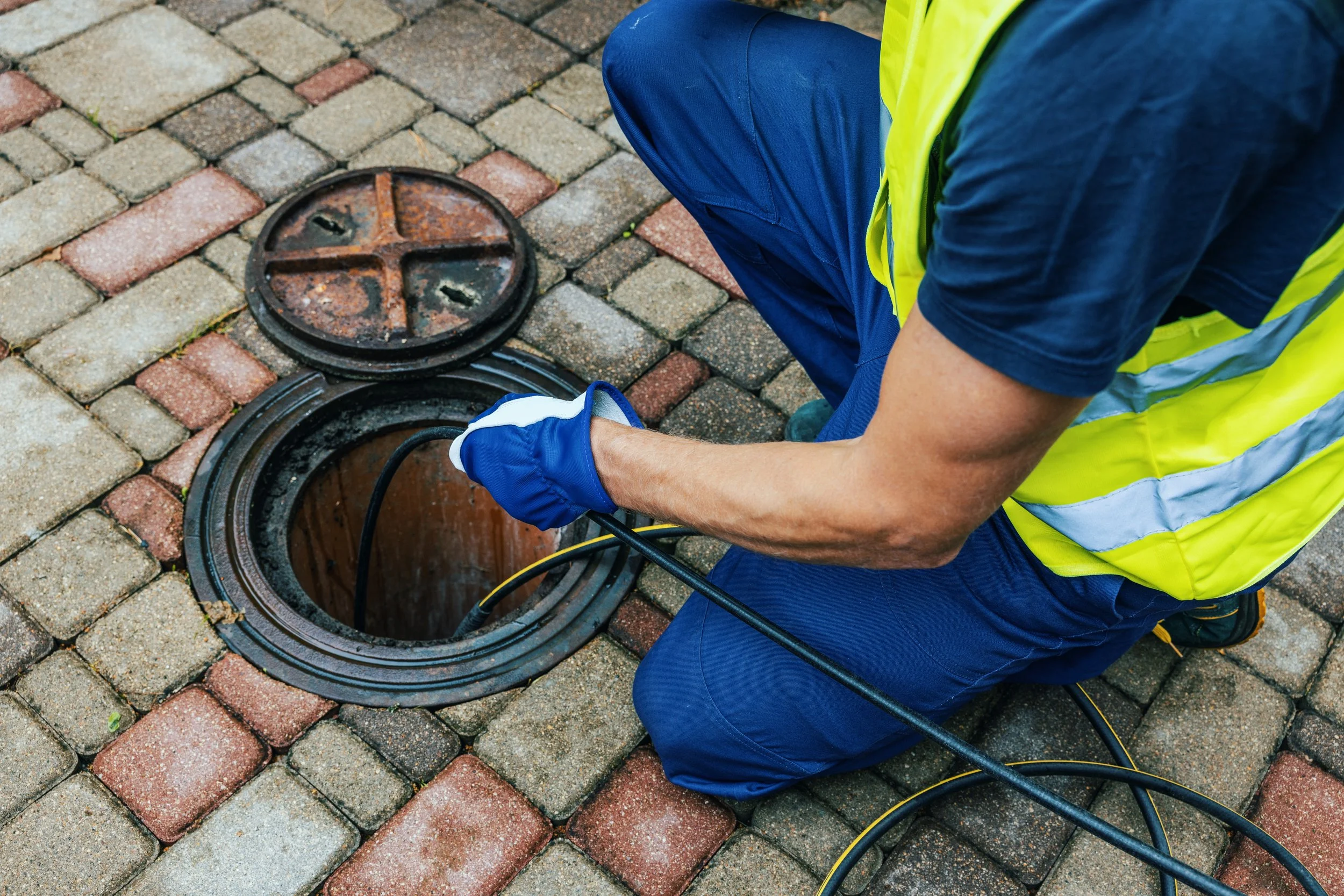
Effectively managing your yard drainage is just as important for preventing basement flooding and damp issues. Disconnecting Sewer drain cleaning from the sanitary sewer system and ensuring they divert water away from the structure can significantly reduce the risk of backups during severe rainstorms. Additionally, installing French drains and yard catch basins assists control surface water, effectively preventing seasonal flooding. Property owners should also keep gutters clear and free of obstructions, as this will help maintain a clear drainage route for rainwater.
Routine maintenance of domestic plumbing is important in preventing major blockages and ensuring peak performance. Using Sewer line repair like hydro jetting for deep cleaning can help remove difficult debris from pipes, while snaking can address minor clogs. It’s crucial to manage what goes down your drains—steering clear of flushable wipes and greases can prevent the formation of fatbergs. Lastly, installing backflow preventers and sump pumps with battery backups can also safeguard your home against the effects of intense storms and sewer surcharges, ensuring peace of mind all the year.