

In Ontario, effective sewer care is vital to maintaining the infrastructure of our communities and environmental well-being of this environment. While homeowners become increasingly aware of the impact their choices affect on the planet, many are seeking eco-friendly drain solutions that not only address immediate plumbing issues and promote sustainable practices. From cutting-edge technologies to traditional methods, there are numerous options available for anyone looking to keep their homes and municipalities running smoothly while being conscious of their ecological footprint.
In exploring the various aspects of Ontario drain and sewer maintenance, understanding the methods and tools used to identify and fix common sewer problems is crucial. Using state-of-the-art tools like CCTV sewer camera inspections, homeowners can discover concealed problems that might compromise their sewer lines. Additionally, recognizing the threats posed by root intrusion and the challenges of maintaining older clay sewer pipes can lead to better decision-making. With Sewer line inspection on eco-friendly practices, this guide will delve into efficient drainage solutions which not only protect homes but also enhance the resilience of Ontario’s sewer systems.
Cutting-edge Drain Solutions for Ontario Homes
In the constantly changing landscape of home upkeep, Ontario residents are progressively embracing innovative drain solutions to boost the efficiency and longevity of their sewer systems. One such method is the use of CCTV sewer camera inspections, which allow homeowners to diagnose hidden lateral line damage without labor-intensive excavation. This technology provides real-time visuals of the sewer line's condition, enabling precise identification of issues such as cracks, obstructions, or tree root intrusion that could jeopardize the integrity of clay sewer pipes.
Another eco-friendly practice gaining momentum is trenchless sewer repair, which offers a minimal disturbance alternative to traditional digging. This technique minimizes the environmental impact by limiting soil disruption and preserving existing landscaping, making it a popular choice for homeowners looking to maintain their property’s aesthetic. Residents benefit from swifter repairs and often lower overall costs, making trenchless approaches a smart investment for long-term sewer maintenance.
Mitigating water damage and flooding is also a concern in Ontario residences, particularly in areas susceptible to heavy rainfall. Installing backwater valves and sump pump systems has become crucial in protecting basements from sewer surcharges. These proactive measures not only protect homes but also contribute to the broader goal of sustainable urban drainage management, ensuring that homes can withstand the challenges posed by severe weather while minimizing risks to public health and the environment.
Preventative Measures and Maintenance Strategies
Routine maintenance is key to avoiding severe sewer issues in Ontario homes. Homeowners should plan yearly CCTV sewer video inspections to identify hidden issues in their lateral lines, especially those caused by tree root intrusion, which is frequent in clay pipes. These inspections can effectively diagnose possible harm, allowing for prompt repairs before they result in expensive sewer backups and overflows.
In addition to inspections, adopting proper water management practices, such as disconnecting downspouts from the sanitary sewer, is essential to managing groundwater and reducing unnecessary strain on sewer networks. Sewer line inspection helps minimize the risk of basement flooding—a significant concern during heavy storms. Homeowners should also consider the installation of backwater valves to provide an extra layer of protection against surcharges that can lead to flooding in basements.
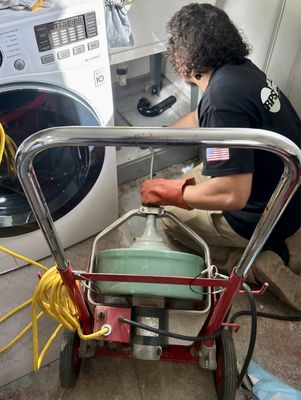
Another important maintenance practice is periodically cleaning drains using hydro jetting or snaking methods, especially in properties vulnerable to severe blockages caused by grease or debris accumulation. Regular cleaning not only ensures that pipes remain unobstructed, but it also helps to prolong the life of the sewer system, thereby reducing the likelihood of needing invasive repairs like trenchless pipe bursting or CIPP lining services.
Grasping Regulatory plus Ecological Impacts
The regulatory landscape surrounding wastewater care in the province of Ontario is designed to protect both public health and the ecosystem. Local governments apply strict guidelines on sewer system maintenance and upgrades to prevent issues such as backflow, deluge, and tainting of drinking water. Conformity with these regulations is essential for homeowners, particularly in areas vulnerable to heavy rainfall or flooding, where proper drainage and sewer handling become important in preserving properties and communities.
Environmental factors are increasingly influencing Ontario's wastewater practices. Innovative technologies such as trenchless technology and Cured-in-Place Pipe lining reduce the environmental footprint of wastewater fixes by lessening earth disturbance and earth disruption. Additionally, preserving nearby waterways from contaminants and preserving the integrity of natural waterways are critical missions that motivate local governments toward eco-friendly drainage practices. This change towards sustainability helps ensure a healthy ecosystem for future generations.
Additionally, property owners must be educated on their responsibilities regarding sewer upkeep and the regulations relevant to their homes. Sewer line replacement like the Ontario's Basement Flooding Rebate initiative encourage preventive actions for mitigating flood risk risks, advocating for spending in submersible pumps, anti-backflow devices, and removal of rain gutters from the wastewater system. By understanding these regulations and their effects on nature, local inhabitants can make informed decisions that align with both personal interests and public aims.